
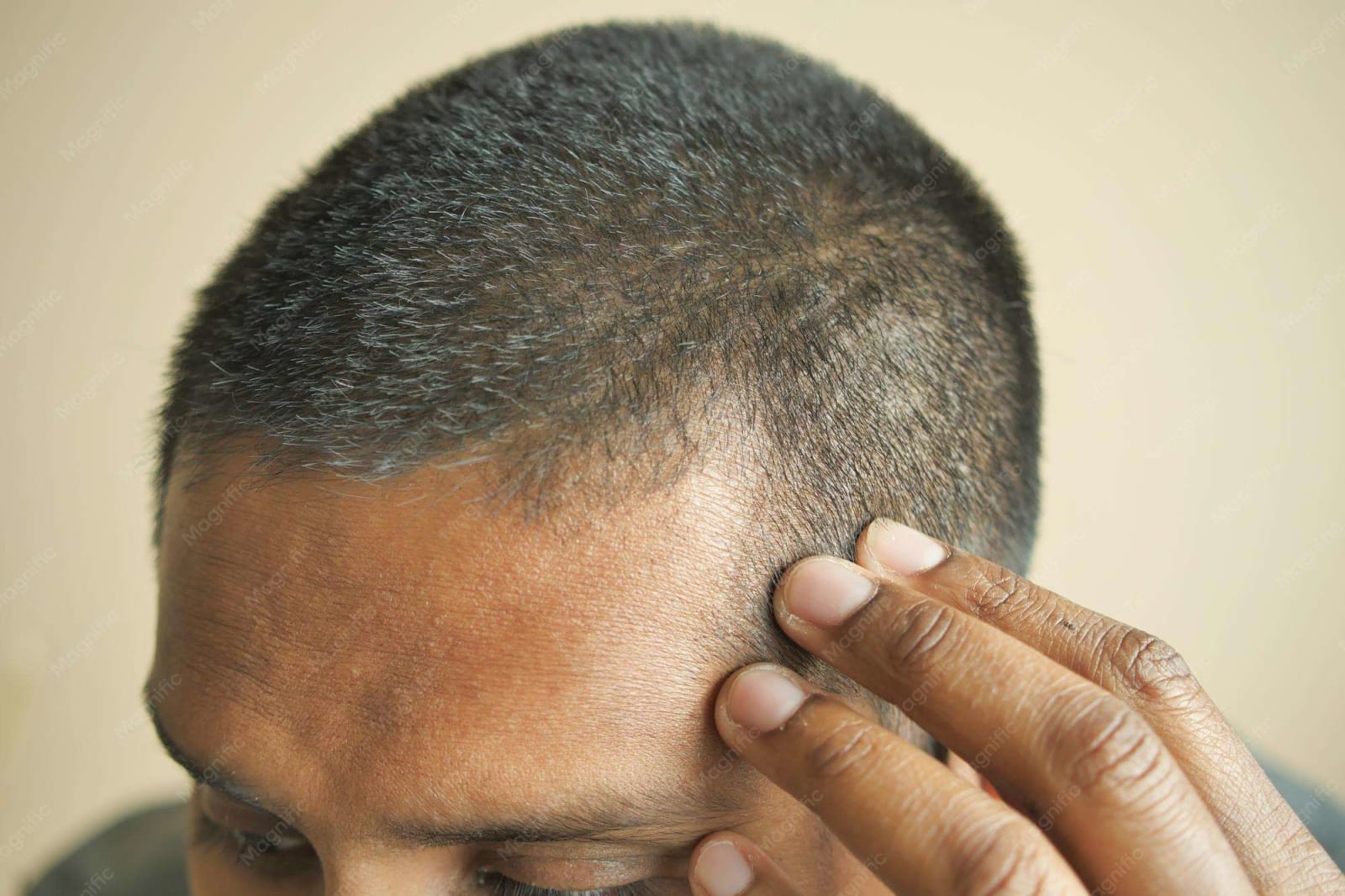
Hair Restoration
Restore density and a natural hairline with hair restoration planned around your donor area, pattern of loss, and long-term goals.
Hair
Hair Restoration
Restore density and a natural hairline with hair restoration planned around your donor area, pattern of loss, and long-term goals.
Hair restoration at Nairobi Sculpt begins with a close look at why hair is thinning, how stable the pattern is, and what the donor area can support. Some patients are ready for surgical restoration. Others benefit first from medical support, scalp care, and a staged plan as growth settles over months. The aim is hair that suits your face, age, and existing density, not a hairline that looks placed on.
Reasons for Hair Loss
Understanding the cause helps us choose the right restoration plan.
- Genetics: Hereditary pattern hair loss is the most common reason in both men and women, often following a family pattern of recession or thinning at the crown or parting.
- Hormones: Shifts after pregnancy, menopause, or thyroid change can shed hair or slow growth. Androgen-related thinning can also recede the hairline or reduce density on the top of the scalp.
- Stress and illness: A major illness, surgery, high fever, or a prolonged period of stress can push many follicles into a resting phase, with noticeable shedding weeks later.
- Nutrition and medical causes: Low iron, protein, or certain vitamin levels, as well as some medicines, can weaken growth. Scalp conditions such as inflammation or scarring alopecia need a different approach from typical pattern loss.
- Traction and styling: Tight braids, ponytails, extensions, or harsh chemical treatments can pull follicles until hair breaks or the hairline thins. Early change of habit can protect remaining hair.
- Ageing: Follicles often produce finer, shorter hair over time. Restoration still aims for a natural density that matches your age and facial features.
The Procedure
Nairobi Sculpt plans restoration around your donor area and the look you want to keep.
- Consultation: A detailed review of your hair-loss pattern, medical history, and donor supply, with photographs and a personalised plan.
- Hairline design: Mapping a hairline and density that follow your facial proportions so new growth blends rather than sitting as a hard, unnatural line.
- Treatment: Surgical restoration relocates follicular units from a stable donor zone to thinning areas. Medical support may be used before, with, or instead of surgery when that is the safer first step.
- Aftercare briefing: Clear instructions on washing, activity, and when to return for review.
- Work is carried out in a professional setting in Nairobi. Visible thickening typically builds over months, not days, as transplanted follicles settle and grow.
Recovery and Aftercare
Recovery is staged. Early care protects grafts, then growth appears over the months that follow.
Keep the treated area protected as advised, and follow washing instructions so grafts are not disturbed in the first days.
Expect some redness, tightness, or shedding of transplanted hairs before new growth starts. This is a common part of the cycle.
Limit strenuous exercise, swimming, and direct sun on the scalp until you are cleared at review.
Attend follow-up visits so progress can be checked and medical support adjusted if needed.
The Nairobi Sculpt team stay involved through the months when density returns, so you know what is typical and when to ask for help.
Why Choose Nairobi Sculpt
- Expertise: Plastic surgeons experienced in planning hair restoration around facial proportion and donor limits.
- Honest assessment: Clear advice when surgery, medical care, or a staged plan is the better first step.
- Natural design: Hairlines and density matched to your age and existing hair, not a one-style approach.
- Follow-up: Review through the growth phase, not only on the day of treatment.
- Nairobi care: Treatment and aftercare in a professional clinic setting, with time to ask questions at every stage.